How to Document Local Oral Histories Effectively
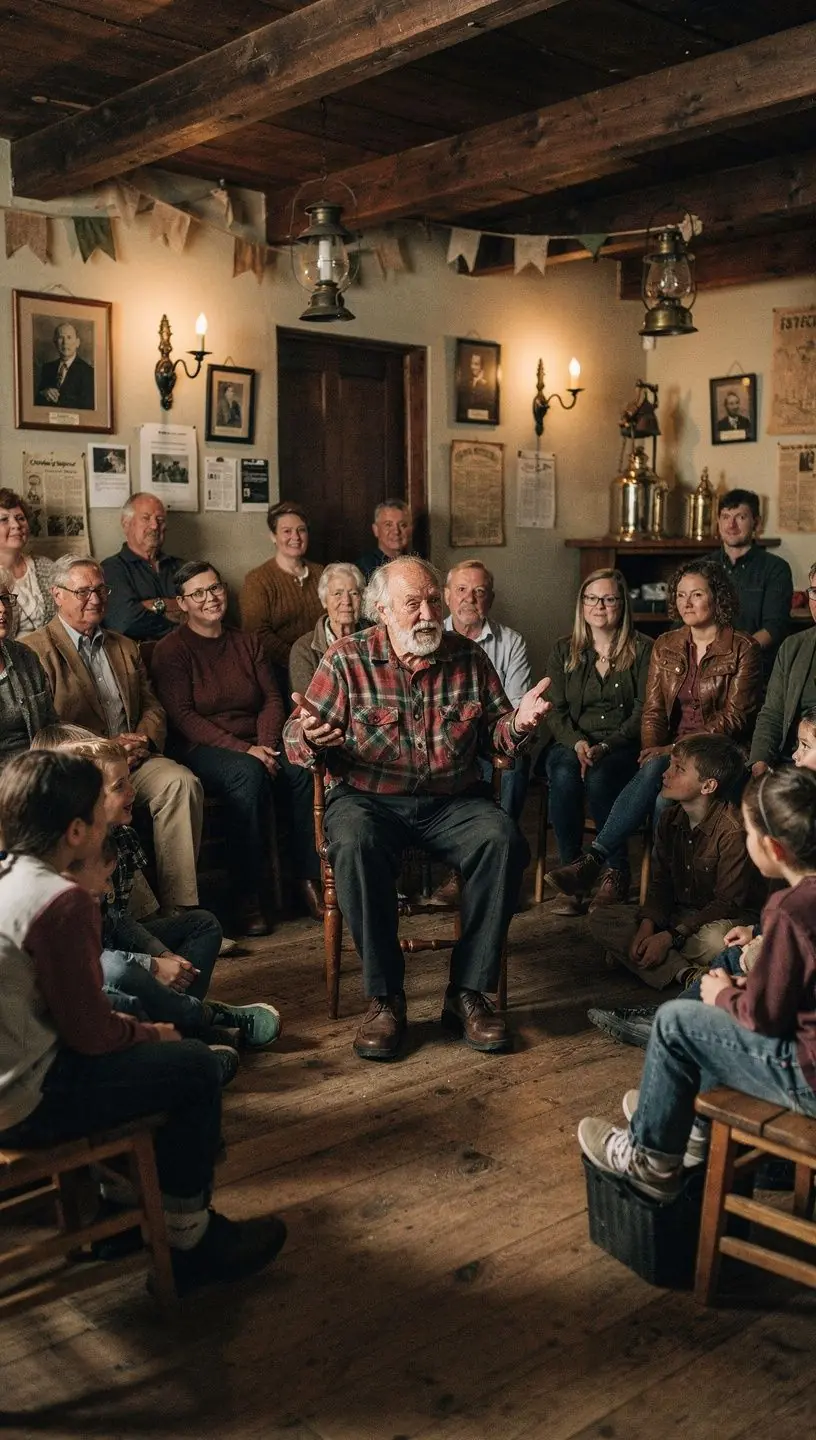
Oral histories are a valuable method for preserving community narratives, cultural traditions, and personal experiences. Effectively documenting these stories requires thoughtful strategies and techniques. This article explores how to approach oral history projects with care and insight.
Understanding the Importance of Oral Histories
According to research, oral histories play a crucial role in preserving the cultural fabric of communities. They provide a means to capture firsthand accounts that may otherwise be lost over time. Experts recommend that documenting these stories not only enriches our understanding of local history but also fosters a sense of identity and continuity within communities.
"Oral histories are not just stories; they are the threads that weave together the tapestry of our collective memory." - Dr. Sarah Thompson, Cultural Historian
Preparing for Oral History Projects
Before collecting oral histories, it is essential to prepare adequately. Here are some effective strategies:
- Research Background Information: Familiarizing yourself with the community’s history and significant events can help guide your questions and provide context. This typically involves reading archival materials and consulting with local historians.
- Develop an Interview Guide: Creating a list of open-ended questions can facilitate richer conversations. Aim for questions that encourage storytellers to share their experiences in depth. Experts suggest starting with general questions before narrowing down to specific topics.
- Build Trust with Participants: Establishing rapport is critical. Many users report that personal connections can lead to more candid narratives. This requires time and sensitivity to cultural nuances.
Conducting the Interview
The process of conducting the interview is just as important as the preparations. Here are some best practices:
- Choose a Comfortable Setting: Conduct interviews in a familiar environment for the storyteller, which can lead to more relaxed and open dialogue. This is significant as studies show that comfort can enhance the quality of information shared.
- Listen Actively: Engaging actively with the storyteller encourages them to elaborate on their experiences. It’s crucial to acknowledge emotions and provide space for them to express themselves fully.
- Record with Permission: Always ask for consent to record the session. Using high-quality recording equipment can ensure clarity, making it easier to transcribe and analyze the stories later.
Post-Interview Process
After the interview, there are several important steps to follow:
- Transcribe and Analyze: Transcribing recordings can be time-consuming, typically taking several hours for each hour of audio. This step is crucial for preserving the exact wording and nuances of the storytellers.
- Preserve and Share: After transcription, consider how you will share these histories. Options include community events, local publications, or digital archives. Many experts recommend collaboration with local libraries or historical societies for broader reach.
- Respect Cultural Sensitivities: Ensure that the stories are shared in a manner that honors the participants’ wishes and cultural contexts. This may involve seeking feedback before public dissemination of the oral histories.
Conclusion
Documenting local oral histories is a rewarding yet demanding endeavor. By following these guidelines, you can approach this task with the respect and integrity it deserves. Remember, the stories you collect are not just historical accounts; they are the living memories of your community. With careful preparation, empathetic listening, and respectful sharing, you can help preserve these invaluable narratives for future generations.