How Music Festivals Promote Cultural Exchange
Music festivals have become an essential part of cultural life in the United States, offering not only entertainment but also opportunities for cultural exchange. This article explores how these vibrant gatherings foster community connections and encourage the sharing of diverse cultural practices.
The Role of Music Festivals in Cultural Exchange
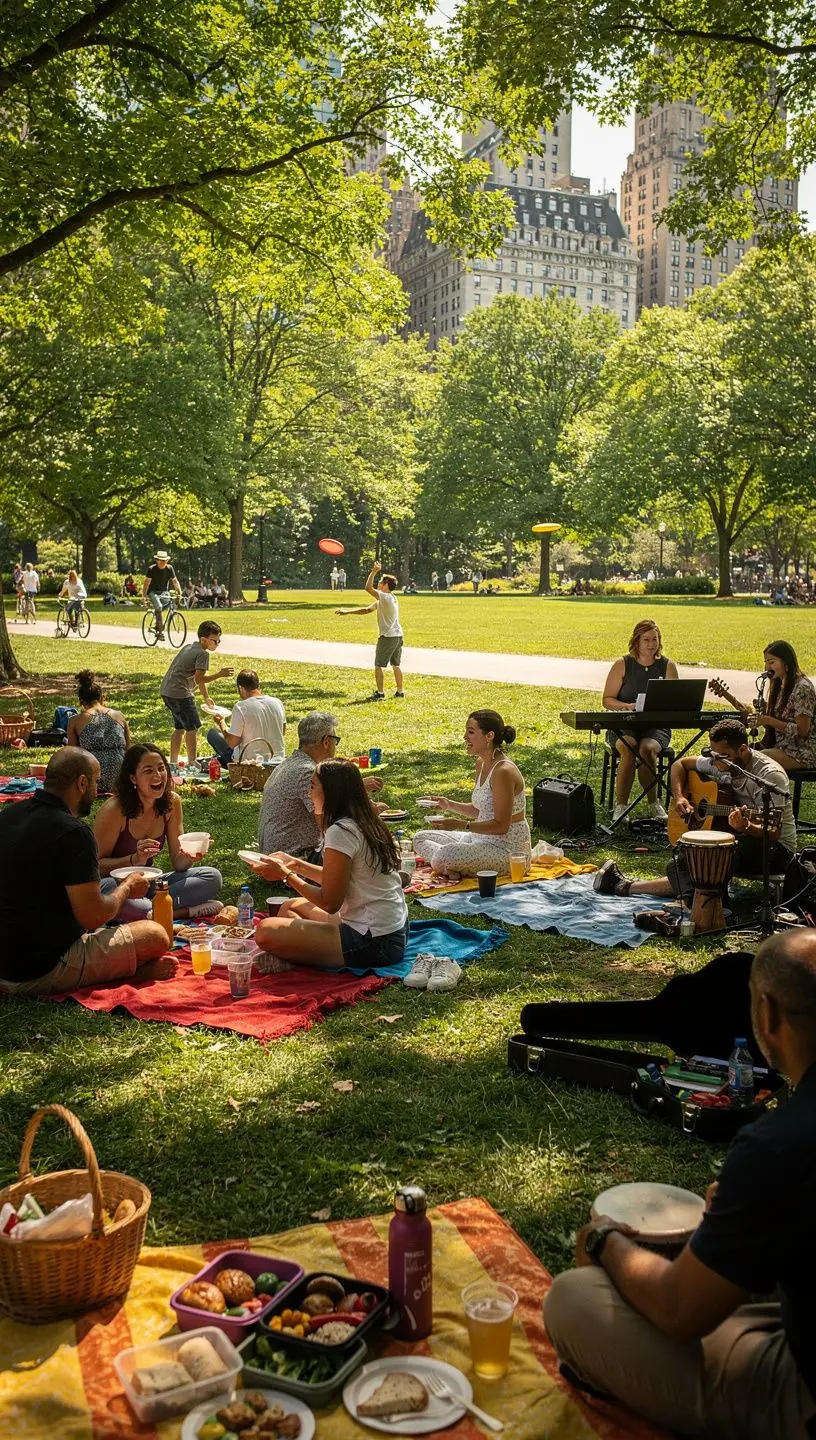
Music festivals are gatherings that typically feature a variety of musical genres and performances, attracting attendees from different backgrounds. According to experts in cultural studies, these events act as a melting pot where people come together to appreciate diverse musical traditions. This works because music transcends linguistic barriers, allowing individuals to connect on a deeper level.
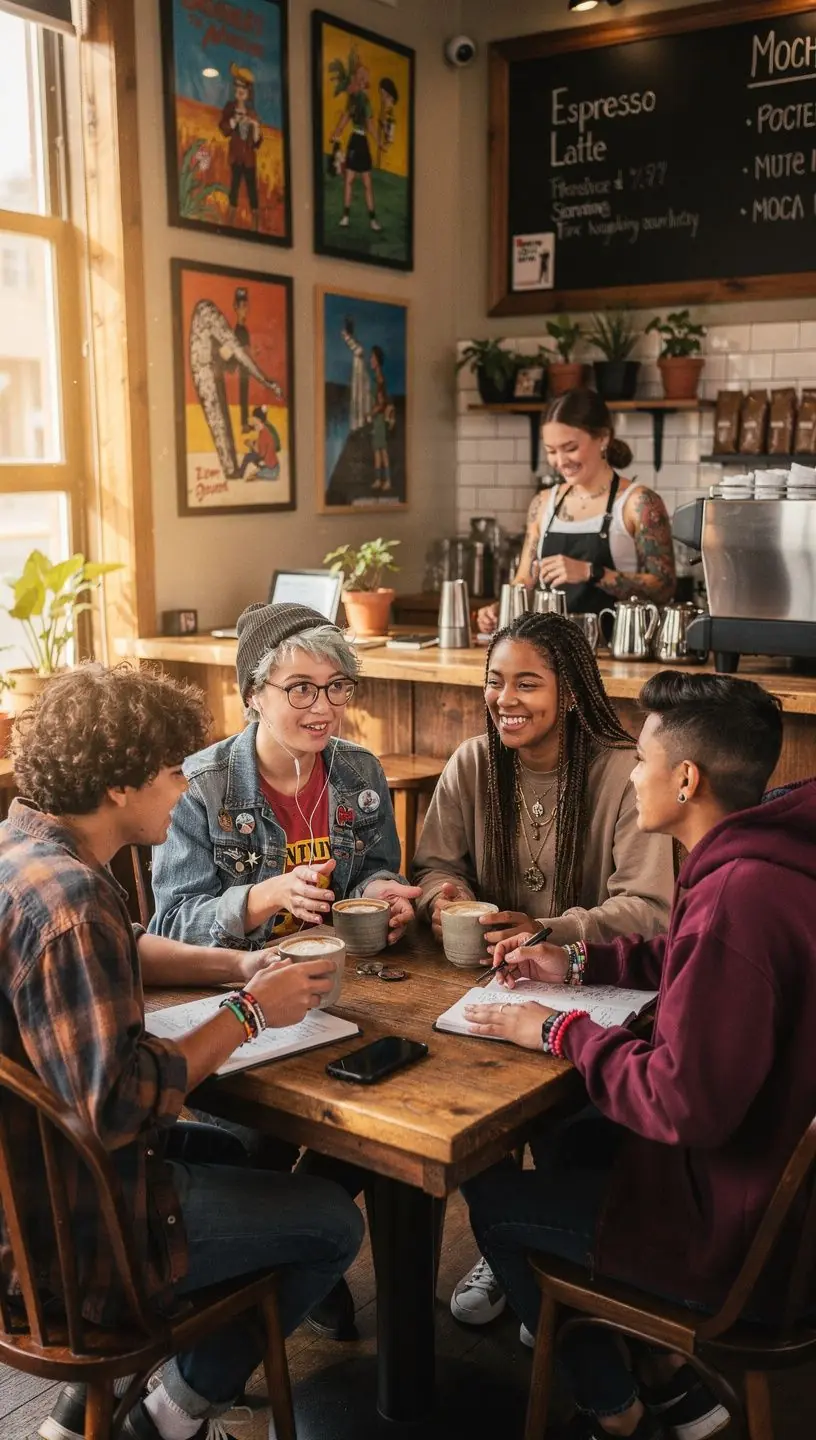
"Music festivals create an environment where cultural exchange thrives, enhancing social cohesion and community identity."
Benefits of Music Festivals for Cultural Exchange
Research shows that music festivals can have several benefits for cultural exchange:
- Encouragement of Diversity: Festivals often showcase artists from various cultural backgrounds, promoting an appreciation for different musical styles and traditions.
- Building Community Connections: These events can foster social interactions among attendees, helping to break down cultural barriers and build relationships.
- Educational Opportunities: Many festivals include workshops or discussions that educate attendees about the cultural significance of the music being performed.
How Music Festivals Facilitate Cultural Understanding
The methodology behind music festivals as a platform for cultural exchange typically involves careful planning and collaboration with local communities. Organizers often strive to include a wide range of artists that reflect the diversity of the area. This approach helps to ensure that different voices are heard and celebrated, creating a richer experience for all attendees.
Engagement with Local Communities
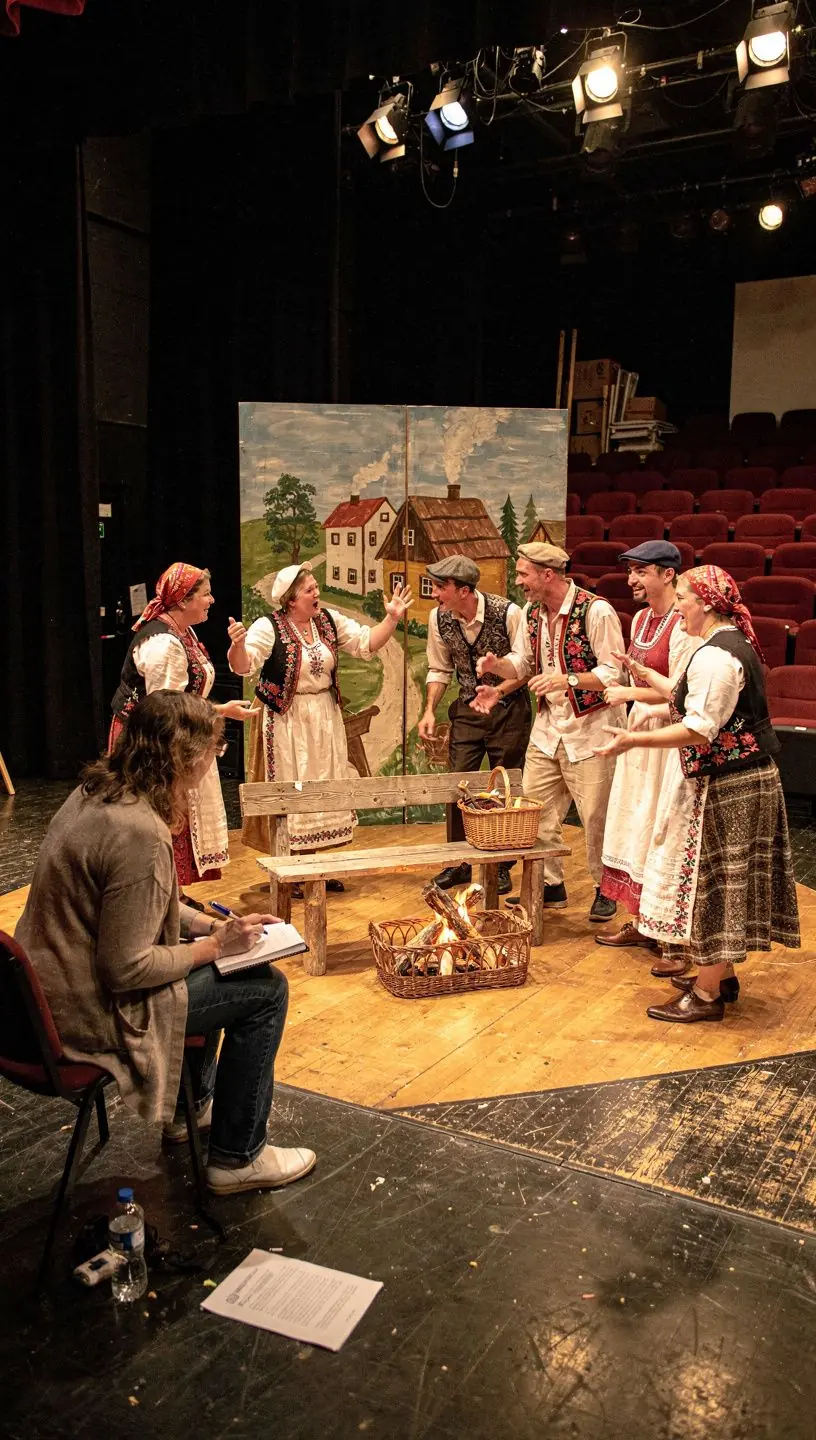
Incorporating local traditions into larger festival programming can enhance cultural pride and local identity. For instance, festivals that feature regional music styles or traditional dances encourage participants to share their heritage with a broader audience. Many studies indicate that when communities engage in cultural presentation, it often leads to increased local tourism and economic benefits.
Challenges and Considerations
While music festivals can be incredibly beneficial for cultural exchange, they are not without challenges. Organizers typically face logistical hurdles that require careful planning, including:
- Budget Constraints: Securing funding for diverse programming can be challenging, and festivals often rely on sponsorships and ticket sales.
- Community Engagement: Gaining support from local communities and artists may require significant outreach and relationship building.
- Cultural Sensitivity: Ensuring that all cultural representations are authentic and respectful is crucial to avoid misrepresentation and backlash.
Conclusion
Music festivals serve as a vital platform for cultural exchange, enriching the social fabric of communities across the United States. While they present certain challenges, the potential for promoting understanding and appreciation of diverse cultures is significant. By participating in or attending these festivals, individuals can contribute to a more inclusive cultural landscape, fostering connections that may last a lifetime.