Exploring Regional Folk Music Traditions
Folk music is a vibrant expression of culture that evolves across regions. In the United States, diverse folk traditions reflect the history, struggles, and celebrations of various communities. This article delves into the rich tapestry of regional folk music, highlighting its significance and the role it plays in preserving local culture.
The Roots of Folk Music
Folk music typically originates from the oral traditions of a community. According to research published in the Journal of American Folklore, folk songs often reflect the daily lives, values, and beliefs of people, capturing experiences that resonate through generations. This music serves not just as entertainment but as a means of storytelling, connecting listeners to their heritage.
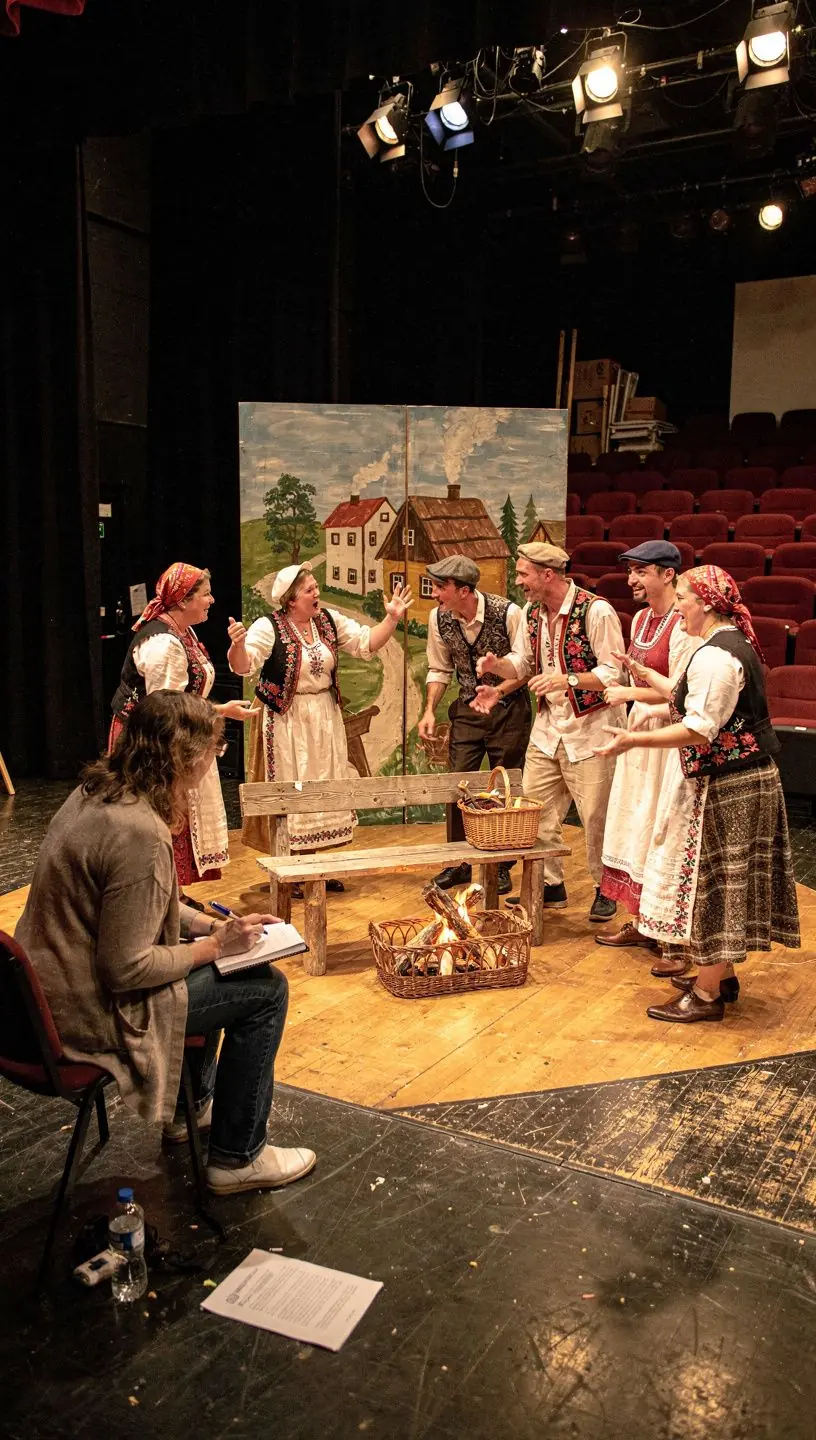
"Folk music is the heartbeat of a community, encapsulating its memories and aspirations." - Dr. Jane Sullivan, Ethnomusicologist
Regional Variations in Folk Traditions
Across the U.S., folk music varies widely, with each region boasting unique sounds and styles. For instance:
- Appalachian Folk Music: Known for its use of instruments like the banjo and fiddle, this genre often incorporates themes of hardship and resilience.
- Blues: Originating in the South, blues music is characterized by its expressive lyrics and soulful melodies, often reflecting the African American experience.
- Native American Music: Rich in spiritual significance, this music often features drums and flutes, celebrating the connection to nature and ancestry.
The Role of Community in Preserving Traditions
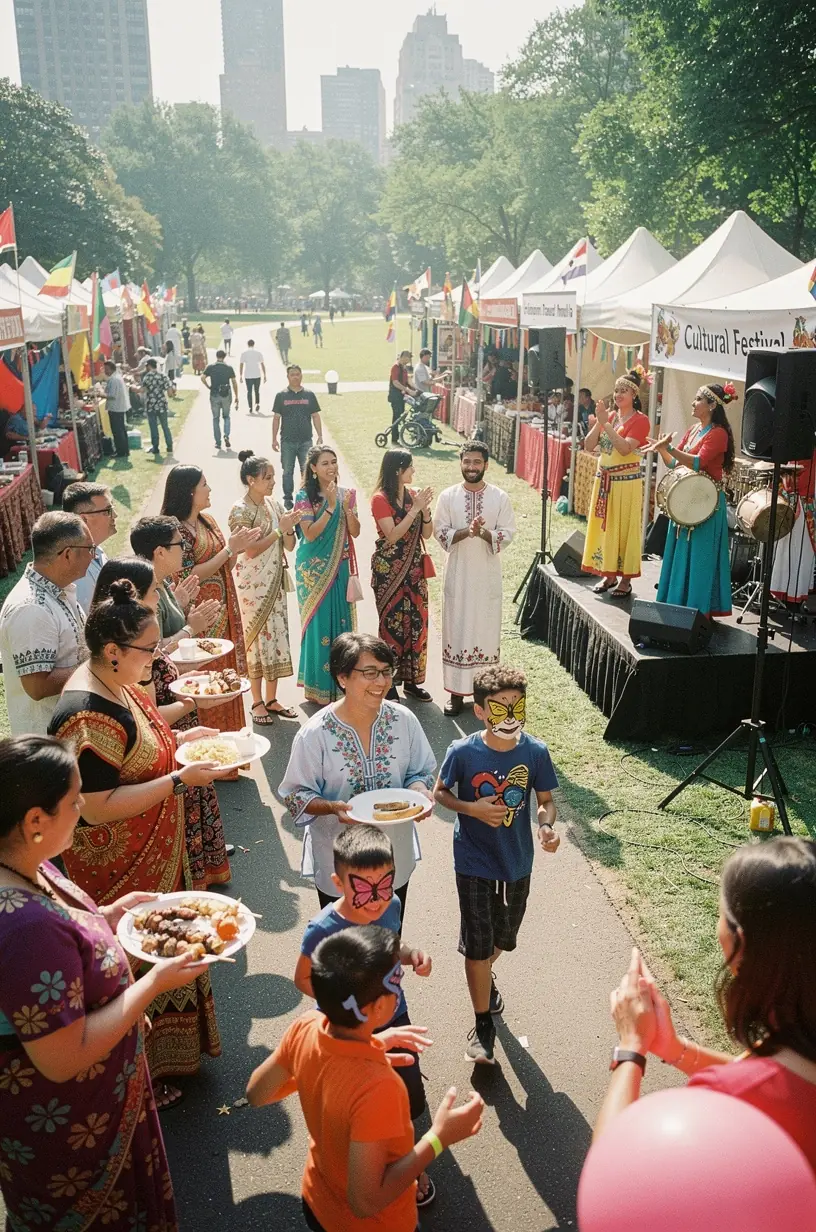
Community gatherings, such as local festivals and music clubs, play a crucial role in sustaining folk traditions. Many experts recommend attending these events, as they offer opportunities to experience music in its authentic context. Typically, these gatherings can involve:
- Live Performances: Engaging with artists and musicians who share their craft, allowing for an immersive experience.
- Workshops: Opportunities to learn traditional instruments or singing techniques, fostering a deeper understanding of the music.
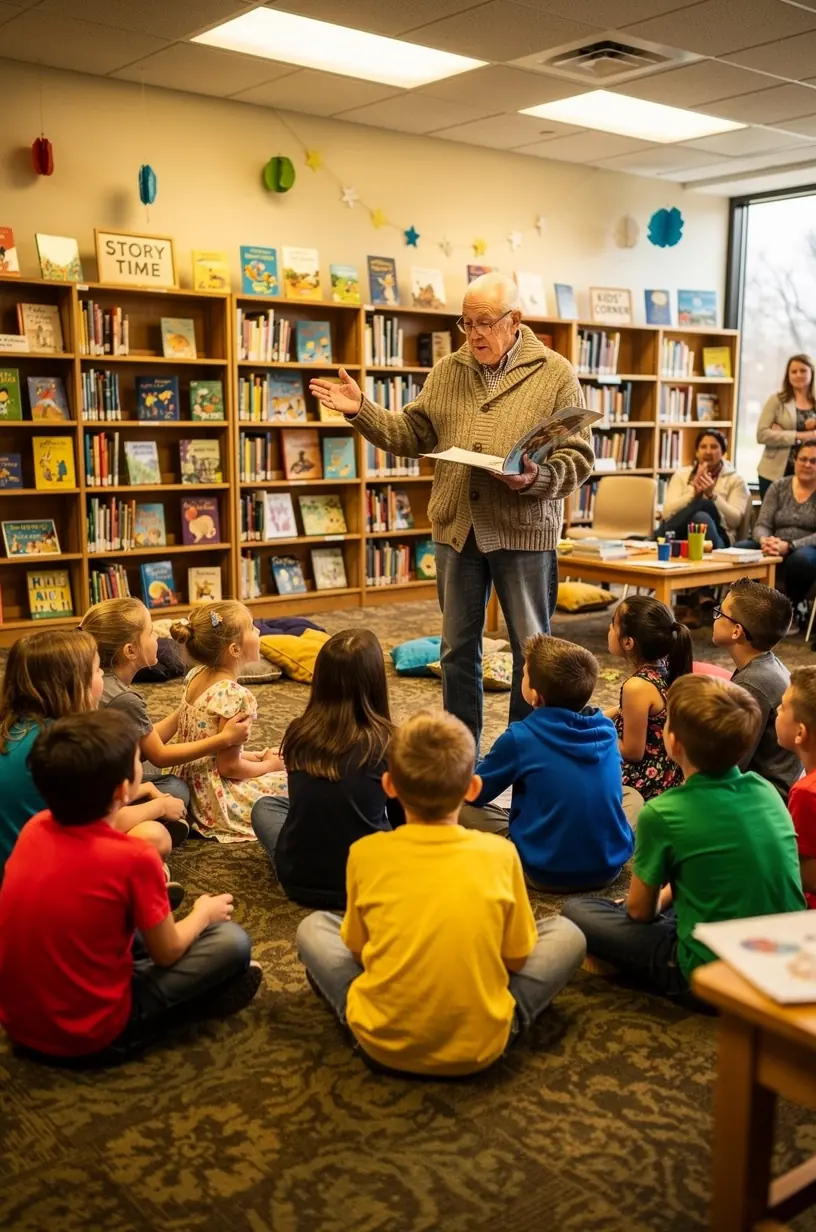
- Storytelling Sessions: These often accompany musical performances, providing historical context and personal anecdotes that enrich the experience.
Challenges to Folk Music Traditions
While regional folk music thrives in many areas, it faces challenges such as globalization and the influence of contemporary music trends. Research indicates that younger generations may gravitate towards popular music genres, potentially leading to the dilution of traditional forms. Acknowledging these challenges is important for communities striving to keep their musical heritage alive. Initiatives like local grants and cultural programs may help support folk music education.
Conclusion
Regional folk music remains a vital expression of cultural identity in the U.S. By exploring and participating in local traditions, individuals can contribute to the preservation of these rich musical heritages. Whether through attending festivals, participating in workshops, or simply listening to folk artists, everyone can play a part in keeping these traditions alive for future generations.