Understanding the Evolution of Neighborhood Celebrations
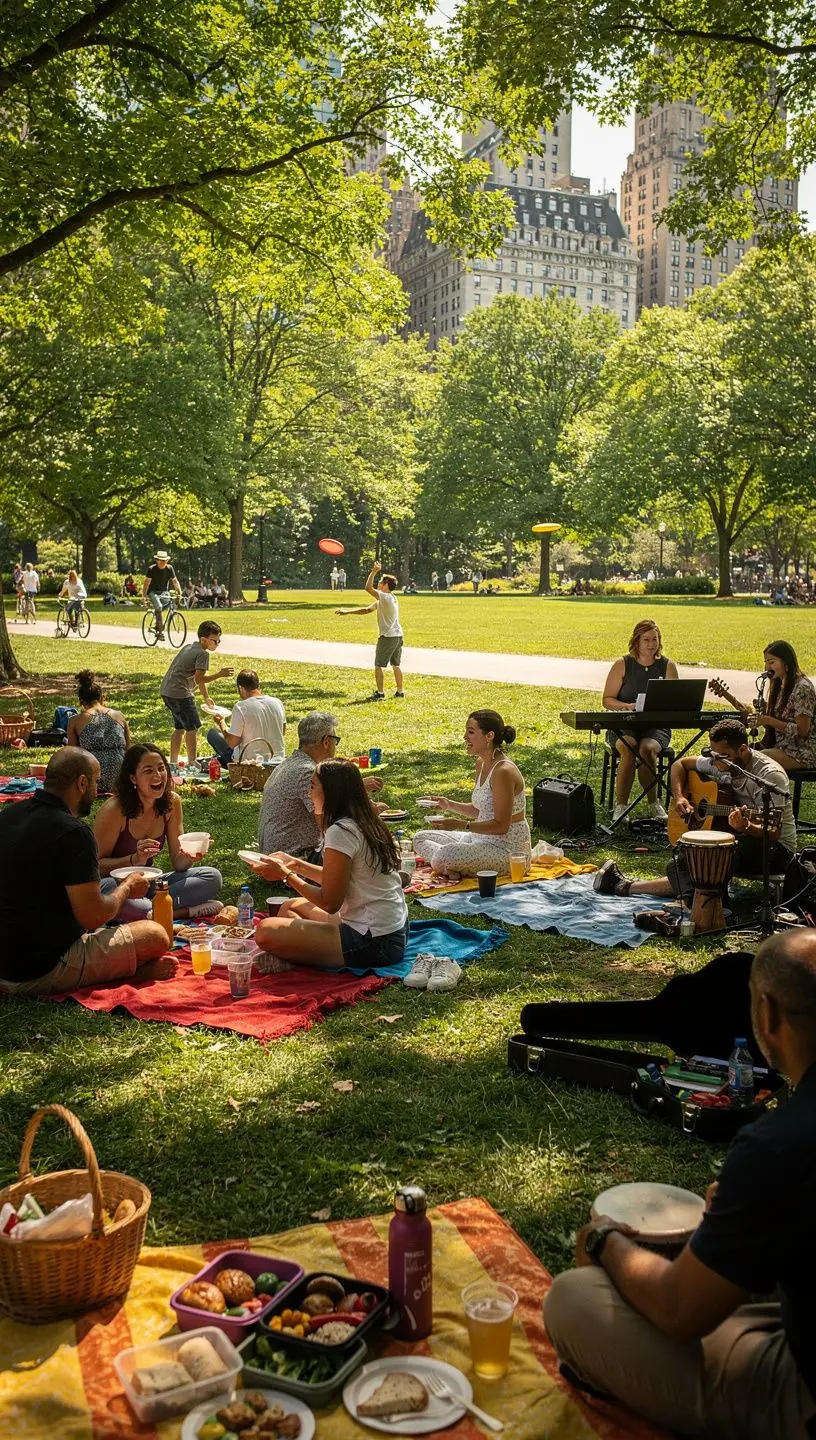
Neighborhood celebrations have long been a cornerstone of local culture in the United States. These events, often characterized by music, food, and community participation, have evolved significantly over the years. This article explores the history, current trends, and future of neighborhood celebrations while providing insights into their cultural importance.
The Historical Context
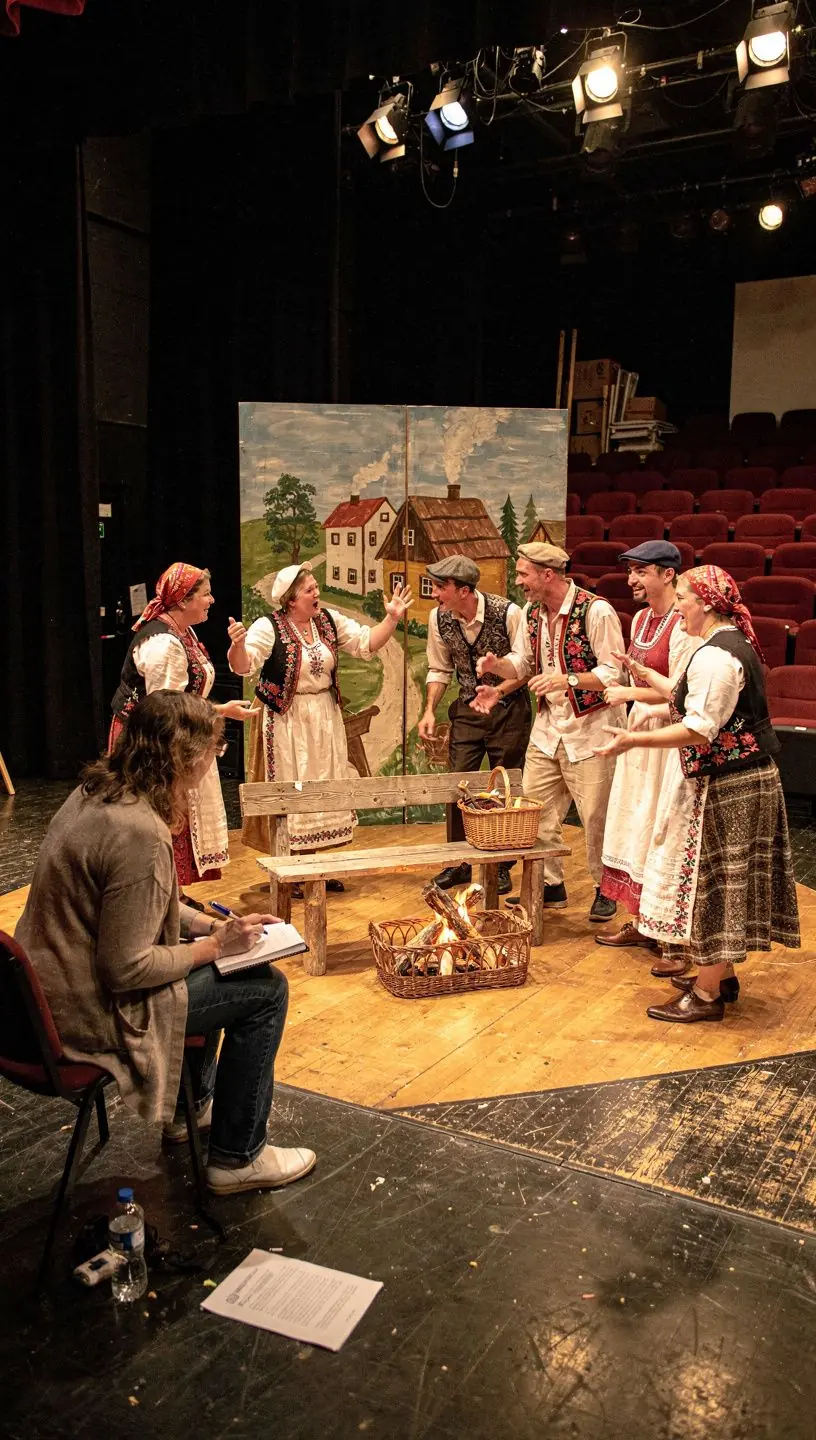
The origins of neighborhood celebrations can often be traced back to community gatherings that served as a means of social connection and cultural expression. According to historical research, many of these early celebrations coincided with agricultural harvests or religious observances. Over time, they became essential for fostering community spirit and maintaining cultural traditions.
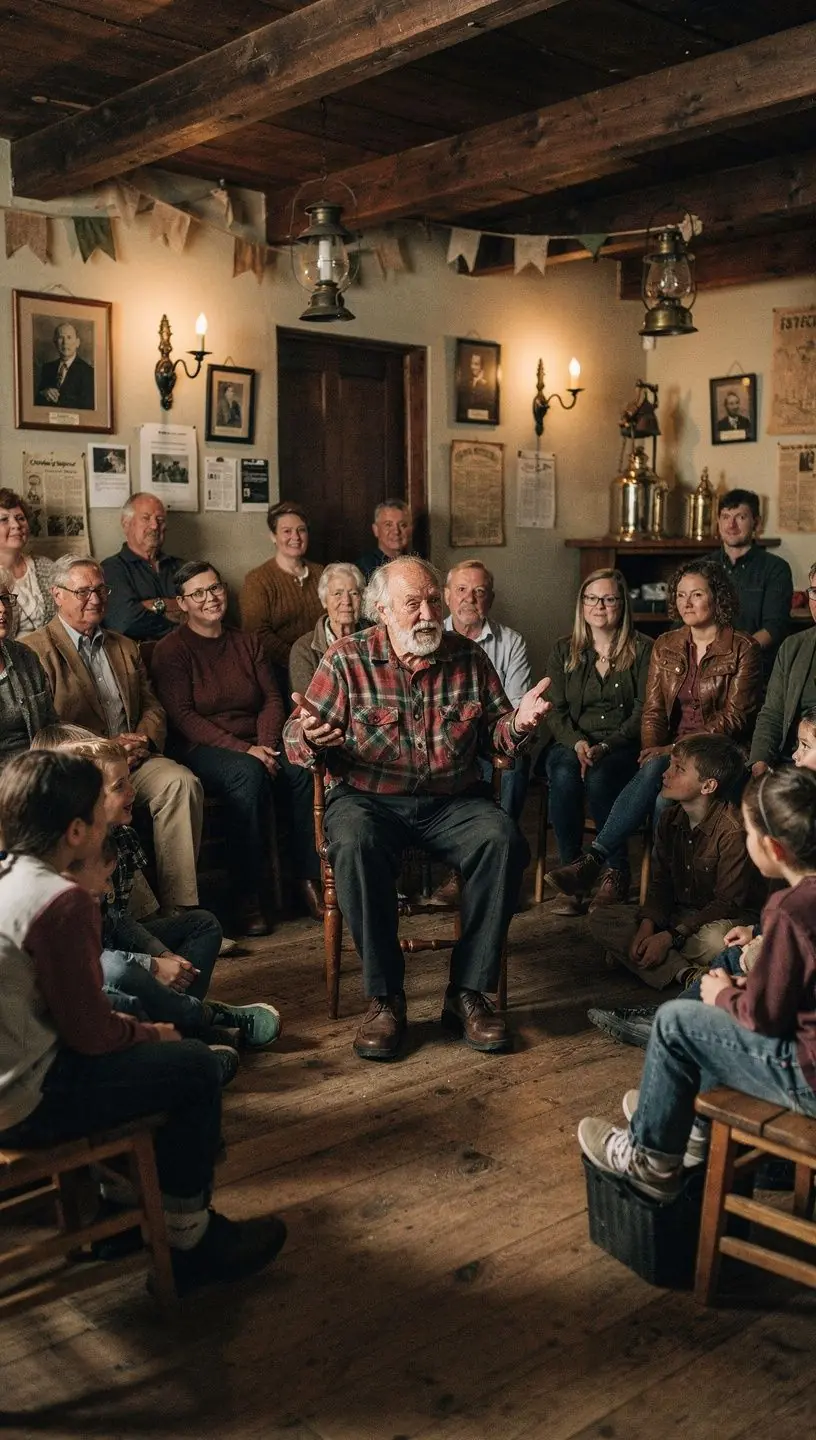
"Communal events not only celebrate local culture but also strengthen the bonds within neighborhoods." - Cultural Historians
Current Trends in Neighborhood Celebrations
In recent years, neighborhood celebrations have diversified to reflect the changing demographics and interests within communities. Current trends often include:
- Inclusivity: Many neighborhood events now aim to be more inclusive, welcoming diverse populations and celebrating a variety of cultural heritages.
- Environmental Awareness: Events are increasingly incorporating sustainability practices, such as using eco-friendly materials and promoting local businesses.
- Technology Integration: Digital platforms are being utilized for event promotions, online community engagement, and even virtual participation.
Why Neighborhood Celebrations Matter
According to community development experts, neighborhood celebrations play a crucial role in building social capital and fostering trust among residents. These gatherings can help alleviate feelings of isolation and promote a sense of belonging, which is particularly important in urban settings. Research indicates that communities with strong social ties often exhibit lower crime rates and greater civic involvement.
Challenges and Limitations
While neighborhood celebrations provide numerous benefits, they also come with challenges. Organizing such events typically requires significant planning and community engagement. This may involve:
- Gathering volunteers and participants, which can take weeks of preparation.
- Securing permits and funding, which may require navigating local government regulations.
- Ensuring accessibility for all community members, which necessitates careful consideration of various needs.
The Future of Neighborhood Celebrations
Looking ahead, neighborhood celebrations are likely to continue evolving. Experts recommend that organizers focus on adapting to community needs and leveraging new technologies to enhance engagement. Additionally, incorporating feedback from participants can lead to more meaningful and successful events. Celebrations that resonate with local culture and values will more likely foster continued participation and community pride.
Conclusion
Understanding the evolution of neighborhood celebrations highlights their enduring significance in American culture. As these events continue to adapt to contemporary societal changes, their role in fostering community ties remains vital. By acknowledging the importance of inclusivity, sustainability, and community engagement, neighborhoods can create celebrations that honor tradition while embracing the future.