Practical Guide to Organizing a Local Music Gathering
Organizing a local music gathering can be a rewarding way to celebrate community culture and bring people together. However, it requires thoughtful planning and execution. This guide will provide practical insights and actionable steps to ensure your music gathering is successful.
Understanding the Basics
Before diving into the logistics, it’s essential to understand why local music gatherings are valuable. Research indicates that community events foster social connections, which can enhance overall well-being and community cohesion. According to a study by the National Endowment for the Arts, participation in cultural activities, including music events, often leads to increased community engagement and satisfaction.
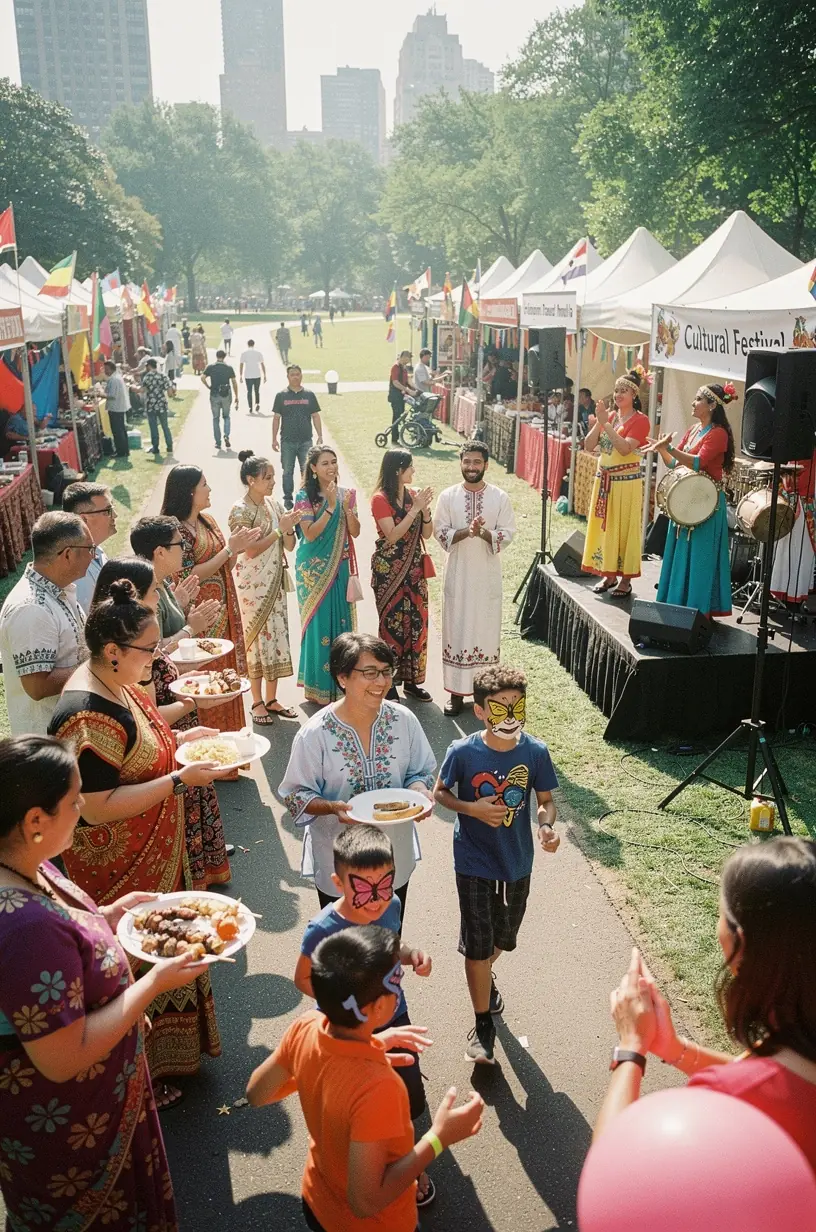
"Community gatherings can significantly enhance social cohesion and contribute to local identity." - Community Development Expert
Step 1: Define Your Objectives
Your first step should be to establish clear objectives for the gathering. Are you aiming to promote local artists, raise funds for a charity, or simply create a fun event for residents? Establishing these goals will guide subsequent decisions and help measure success.
Step 2: Budgeting and Funding
Creating a budget is crucial. Consider costs for venues, permits, equipment, and marketing. Many organizers find that sponsorship from local businesses can help offset expenses. According to industry standards, local businesses often appreciate the opportunity to support community events, as it enhances their visibility and community goodwill.
Step 3: Selecting a Venue
Choosing the right venue is a significant factor in the success of your gathering. Outdoor spaces, parks, and community centers are popular options. Ensure the venue you select has the necessary permits for hosting a music event. Typically, this process can take 2-4 weeks, so plan accordingly.
Step 4: Lineup and Scheduling
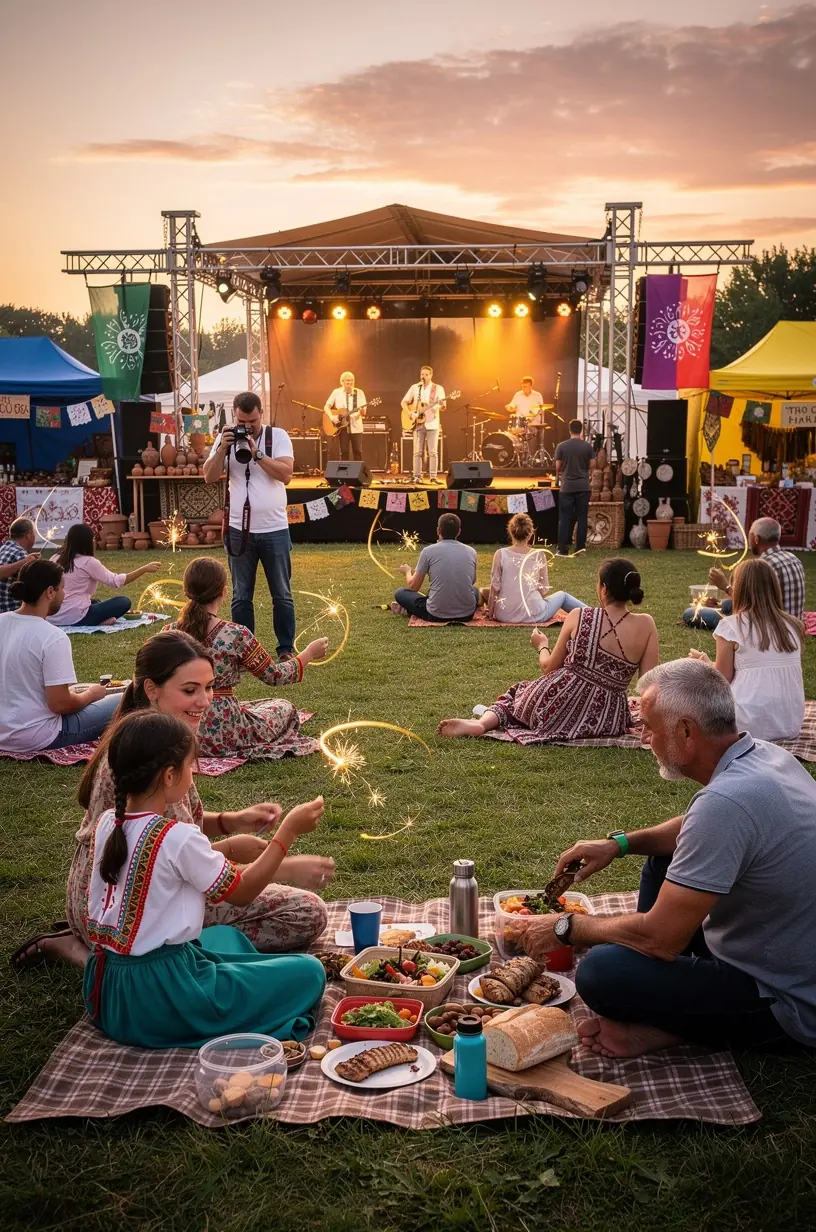
Curating a lineup of performers can significantly impact attendance and engagement. Experts recommend including a mix of local talent and potentially a headliner who can draw a crowd. This can help ensure a diverse audience and create a vibrant atmosphere. Remember to schedule performances thoughtfully, allowing for breaks and transitions that keep the event flowing smoothly.
Step 5: Promotion and Community Engagement
Effective promotion is necessary to attract attendees. Utilize social media, local newspapers, and community boards to spread the word. Many users report that engaging local influencers or community figures can amplify reach. In most cases, starting this promotional process at least a month in advance can help build momentum.
Step 6: Logistics and Execution
On the day of the event, logistics play a crucial role. Ensure you have a reliable sound system, seating arrangements, and necessary permits displayed prominently. Involve volunteers or staff to manage different aspects, such as ticketing, information booths, and artist coordination. Preparation and rehearsal often help to minimize any potential issues.
Step 7: Post-Event Reflection
After the gathering, reflect on what worked well and what could be improved for future events. Collect feedback from attendees and performers, as this insight can be invaluable. Studies show that most successful events benefit from post-event evaluations that guide future planning.
Conclusion
Organizing a local music gathering is a multifaceted process that requires careful planning and execution. By following these practical steps and focusing on community engagement, you can create an enjoyable experience that resonates with attendees. Remember, the goal is to foster connections and celebrate local culture—something that, when done thoughtfully, benefits the entire community.
Learn More