Exploring the Impact of Local Cuisine on Culture
Local cuisine is more than just food; it’s a reflection of history, geography, and community. In this article, we will explore how local dishes shape cultural identity and foster community connections across the United States.
Understanding the Connection Between Cuisine and Culture
Local cuisine often embodies the traditions and values of a community. According to research, food preferences are typically influenced by factors such as geography, climate, and cultural heritage. For instance, the prevalence of seafood in coastal regions often reflects the accessibility of fresh ingredients and the historical reliance on fishing as a livelihood.

"Food is a universal language that speaks to the heart of cultural identity." - Culinary Expert
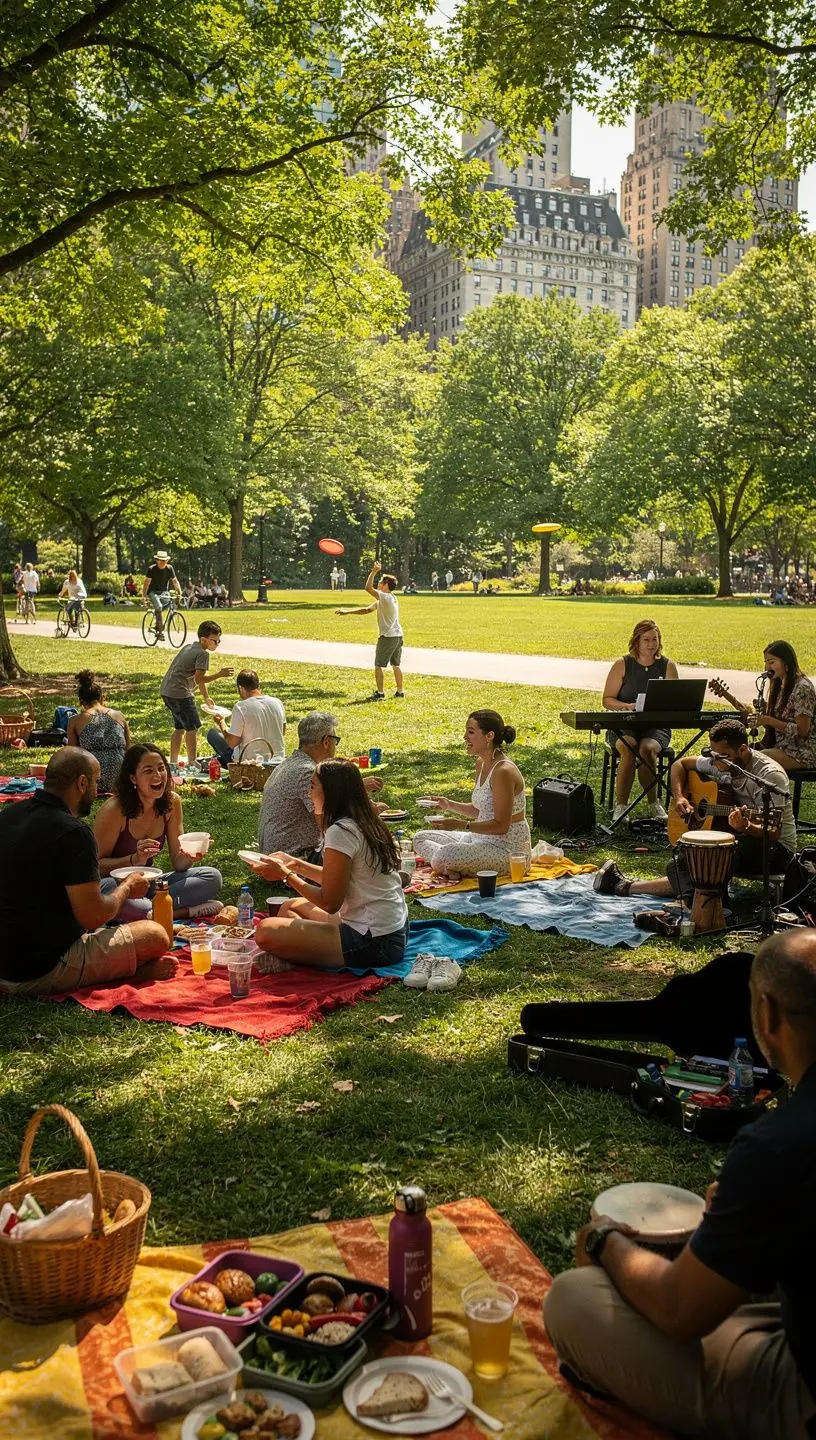
This connection works because food acts as a medium for storytelling and cultural expression. Many users report that sharing meals during festivals and family gatherings often reinforces communal ties and traditions. In many cases, local dishes become synonymous with regional pride.
The Role of Community Events in Celebrating Local Cuisine
Community events like food festivals and farmer’s markets play a crucial role in promoting local cuisine. These gatherings allow local chefs and home cooks to showcase their culinary creations, often reflecting the unique flavors of the region.
- Food festivals typically feature regional dishes, which can help preserve culinary traditions.
- Farmer’s markets promote farm-to-table practices, engaging the community and supporting local farmers.
- Many experts recommend hosting cooking workshops as a way to educate younger generations about traditional recipes.
These events not only celebrate local flavors but also foster economic growth. Studies show that such gatherings can increase local business revenue by promoting awareness of local produce and artisans. Additionally, they often attract tourism, further embedding the local cuisine within the broader cultural narrative.
Challenges in Preserving Local Culinary Traditions
While local cuisine plays a significant role in cultural identity, there are challenges in preserving these traditions. Factors such as globalization, fast food culture, and urbanization can threaten local culinary practices. Industry experts suggest that a concerted effort is needed to sustain these traditions.
Efforts might include:
- Encouraging local schools to incorporate traditional cooking classes into their curricula.
- Highlighting the importance of sustainable farming practices to maintain local ingredient sources.
- Creating platforms for sharing recipes and cooking techniques among diverse communities.
These actions require dedication and community involvement, often taking years to cultivate awareness and appreciation for local culinary heritage.
Conclusion
Local cuisine is an invaluable aspect of cultural identity that requires ongoing effort to preserve and promote. By fostering community events and supporting local culinary traditions, we can help ensure that these flavors and stories continue to enrich our cultural tapestry. Engaging with local cuisine not only celebrates our heritage but also strengthens community bonds across the United States.
Learn More